What is the market situation and price range of small vacuum pumps?
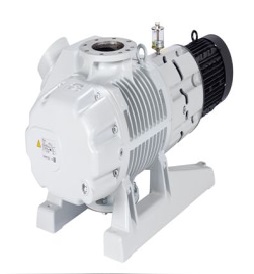
Small vacuum pumps have a wide range of applications. In laboratory settings, they are often used in processes such as vacuum drying, vacuum distillation, gas sampling and sample pretreatment, providing researchers with a stable low-pressure environment. In the medical field, small vacuum pumps are integrated into dental equipment, negative pressure suction devices and some diagnostic instruments to assist in completing clinical operations. The food packaging industry also widely uses such equipment, which extends the shelf life of food and improves packaging tightness by vacuumizing. In addition, during electronic manufacturing processes, small vacuum pumps can be applied to procedures like component packaging and vacuum adsorption positioning; in environmental monitoring, they are used for gas extraction in atmospheric sampling or waste gas analysis systems. Even in household scenarios, such as household vacuum sealers and small dehumidifiers, their presence can be seen.
Regarding prices, the market prices of small vacuum pumps vary significantly depending on factors such as brand, technical type, pumping speed, ultimate vacuum degree and additional functions. Entry-level products usually cost around several hundred yuan, suitable for occasions with low performance requirements; mid-range products are mostly priced between 1,000 yuan and 3,000 yuan, featuring good stability and long service life; high-end models may cost more than 5,000 yuan, mainly targeting precision experiments or special industrial needs. When purchasing, consumers need to combine specific application scenarios and comprehensively evaluate cost-effectiveness and after-sales service.
From a technical perspective, the mainstream small vacuum pumps available on the market currently mainly include rotary vane vacuum pumps, scroll vacuum pumps and diaphragm vacuum pumps. Rotary vane vacuum pumps have a mature structure and fast pumping speed, and can be miniaturized through optimized design, making them suitable for occasions requiring medium vacuum levels. Scroll vacuum pumps are renowned for their low noise, oil-free operation and high reliability. In recent years, significant progress has been made in their miniaturization, making them particularly suitable for applications with high cleanliness requirements. Diaphragm vacuum pumps are widely favored by laboratory users due to their completely oil-free operation and easy maintenance, and their structure is inherently conducive to miniaturization. As for screw vacuum pumps, although they perform excellently in large-scale industrial systems, due to the high machining precision and complex structure of their core components, they still face certain technical challenges in achieving true "miniaturization", and there are few truly compact screw-type small vacuum pump products available on the market at present.
It is worth noting that not all types of vacuum pumps are naturally suitable for miniaturization. For example, water ring vacuum pumps rely on liquid as the working medium, making it difficult to significantly reduce the size of the overall system; high-vacuum equipment such as diffusion pumps and molecular pumps are usually unable to be made small and portable due to limitations imposed by physical principles. Therefore, when selecting a small vacuum pump, in addition to focusing on the overall dimensions, it is also necessary to make a judgment based on parameters such as the required vacuum level, medium compatibility, operating environment and continuous working capacity.
With the continuous advancement of materials science, precision manufacturing and motor control technology, small vacuum pumps are developing towards higher efficiency, lower noise and greater intelligence. Some new products have begun to integrate functions such as digital display, automatic start-stop and overheat protection, further enhancing the user experience. At the same time, the introduction of modular design concepts has made it easier for small vacuum pumps to be integrated into various automated equipment, expanding their application potential in intelligent manufacturing and the Internet of Things scenarios.
In the actual procurement process, users can learn about product technical parameters through formal channels, refer to third-party evaluations or industry recommendations, and avoid taking price as the sole decision-making criterion. In addition, paying attention to the product's energy efficiency rating, noise level and compliance with relevant safety certifications also helps to select equipment that is more suitable for their own needs.